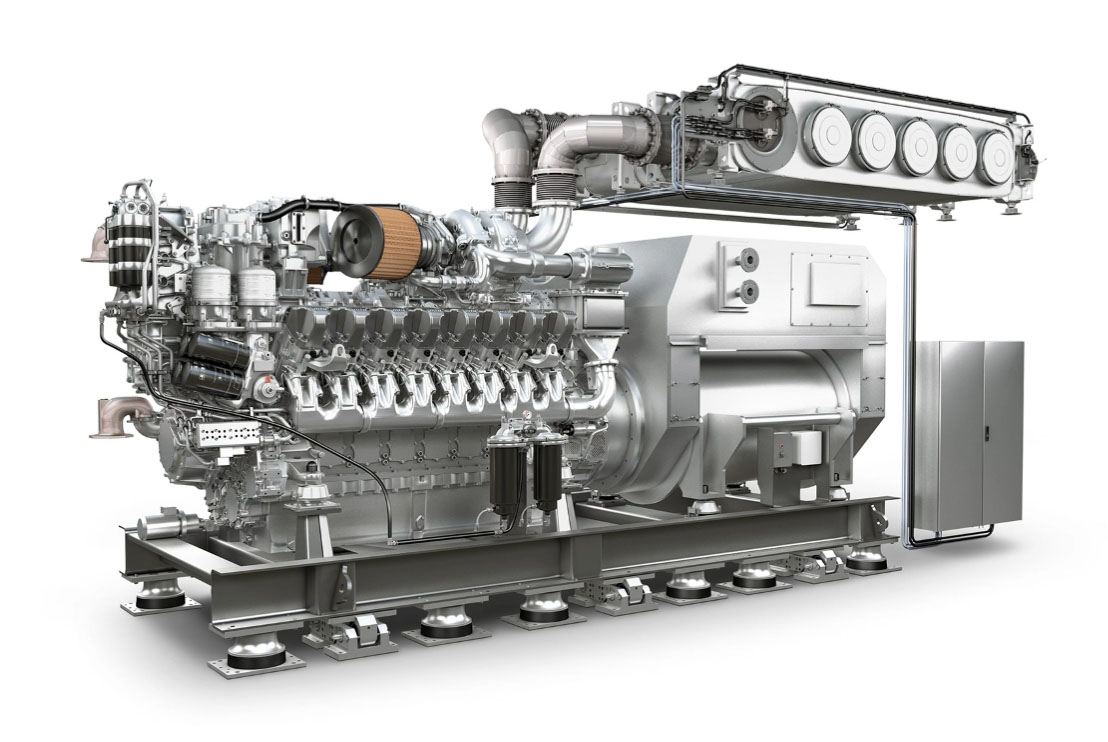
Introduction
The MTU Series 4000 is a high-performance diesel engine family widely used in marine propulsion, power generation, mining, rail, oil & gas and industrial applications. These engines are designed to deliver exceptional reliability, fuel efficiency and long service life under demanding operating conditions.
Preventive maintenance plays a critical role in ensuring maximum engine availability and minimizing unexpected downtime. Following the recommended inspection intervals, lubrication schedules and servicing procedures helps protect critical engine components while extending the overall service life of the engine.
This guide provides an overview of preventive maintenance practices, routine inspection procedures, lubrication recommendations and troubleshooting tips for MTU Series 4000 engines. For exact maintenance intervals and technical specifications, always refer to the official MTU maintenance documentation applicable to your engine model.
Maintenance intervals may vary depending on engine configuration, operating hours, fuel quality and application. Always follow the official MTU maintenance schedule for your specific engine.
Preventive Maintenance Schedule
Establishing a preventive maintenance schedule helps reduce unexpected failures and ensures the engine continues to operate safely and efficiently. Daily inspections combined with periodic servicing are essential for reliable performance.
| Interval | Recommended Maintenance Activity |
|---|---|
| Daily | Inspect oil level, coolant level and check for leaks. |
| 250 Hours | Inspect filters, belts and cooling system. |
| 500 Hours | Replace engine oil and oil filters (as recommended). |
| 1000 Hours | Inspect turbocharger, fuel system and air intake. |
| Annual | Perform a comprehensive inspection following official MTU documentation. |
Daily Inspection Checklist
A daily inspection should be carried out before starting the engine to identify any abnormal conditions that may affect engine performance, reliability or safety. Regular inspections help prevent costly repairs and reduce unexpected downtime.
Engine Oil Level
Verify that the engine oil level is within the recommended operating range using the dipstick or electronic monitoring system.
Coolant Level
Check coolant level in the expansion tank and inspect for signs of leakage around hoses, clamps and radiator connections.
Fuel System
Inspect fuel lines, filters and fittings for leakage, contamination or physical damage before engine operation.
Air Intake System
Ensure the air filter indicator is within limits and check intake piping for loose connections or obstructions.
Belts & Hoses
Inspect all drive belts and cooling hoses for cracks, excessive wear, improper tension or deterioration.
Battery System
Verify battery voltage, inspect cable terminals and ensure all electrical connections are clean and secure.
Instrument Panel
Confirm that gauges, warning indicators and engine monitoring systems are functioning correctly before start-up.
Visual Inspection
Perform a complete visual inspection for loose fasteners, unusual vibration, fluid leaks or damaged components.
Lubrication System Maintenance
Proper lubrication is essential for protecting critical engine components against wear, reducing friction and maintaining optimum engine performance. Engine oil also helps dissipate heat, prevent corrosion, suspend contaminants and ensure smooth operation under demanding operating conditions.
Regular inspection of engine oil condition, timely oil changes and replacement of oil filters are fundamental maintenance activities that contribute to engine reliability and long service life.
Always use engine oils that meet the manufacturer's approved specifications. Using unsuitable lubricants may reduce engine performance and increase component wear.
Engine Oil Level
Verify the oil level before every engine start and maintain the level within the recommended operating range.
Oil Filter
Replace oil filters according to the recommended maintenance interval or whenever contaminated.
Oil Analysis
Periodic oil analysis helps detect contamination, abnormal wear and potential engine issues before failures occur.
Oil Pressure
Continuously monitor engine oil pressure during operation and investigate abnormal readings immediately.
Lubrication Best Practices
- Check engine oil level before every engine start.
- Use only manufacturer-approved lubricants.
- Replace oil filters during scheduled servicing.
- Monitor oil pressure throughout engine operation.
- Maintain detailed lubrication service records.
Cooling System Maintenance
The cooling system plays a vital role in maintaining the correct engine operating temperature. Proper cooling prevents overheating, minimizes component wear and ensures reliable engine performance under varying operating conditions. Routine inspection of coolant levels, hoses, radiators and water pumps helps identify issues before they lead to engine damage.
Check Coolant Level
Verify that the coolant level is within the recommended operating range before starting the engine.
Inspect Radiator
Ensure the radiator core is clean and free from dust, debris or external damage that may restrict airflow.
Inspect Hoses & Clamps
Examine hoses, clamps and fittings for leaks, cracks or signs of deterioration.
Check Water Pump
Inspect the water pump for leakage, unusual noise and proper coolant circulation.
Verify Coolant Quality
Check coolant concentration and replace coolant according to the maintenance schedule.
Monitor Temperature
Observe engine temperature during operation and investigate abnormal readings immediately.
Never remove the radiator cap while the engine is hot. Hot coolant and steam can cause severe burns. Allow the engine to cool completely before opening the cooling system.
Cooling System Inspection Intervals
| Component | Recommended Inspection |
|---|---|
| Coolant Level | Daily |
| Radiator | Weekly |
| Cooling Hoses | Weekly |
| Coolant Quality | Monthly |
| Water Pump | Every Scheduled Service |
| Thermostat | Annual Inspection |
Fuel System Maintenance
The fuel system is responsible for delivering clean fuel to the engine at the correct pressure and flow rate. Regular inspection and maintenance of fuel filters, fuel lines, injectors and water separators help maintain engine efficiency, reduce emissions and prevent costly fuel system failures.
Contaminated fuel is one of the most common causes of engine performance issues. Maintaining a clean fuel system significantly improves engine reliability and extends the life of critical fuel injection components.
Fuel System Inspection Guide
| Component | Inspection | Purpose |
|---|---|---|
| Fuel Filter | Replace when restricted or according to service interval. | Prevents contaminants from reaching the injectors. |
| Fuel Lines | Inspect for cracks, leaks and loose fittings. | Maintains safe fuel delivery and pressure. |
| Fuel Injectors | Check spray pattern and injector performance. | Ensures efficient combustion. |
| Fuel Pump | Verify operating pressure and inspect for leaks. | Maintains consistent fuel supply. |
| Water Separator | Drain accumulated water regularly. | Protects the injection system from corrosion. |
Fuel System Best Practices
Use Clean Fuel
Always use clean, high-quality fuel that complies with the manufacturer's recommendations.
Replace Filters
Replace fuel filters at recommended service intervals or when contamination is suspected.
Drain Water
Regularly drain water separators to prevent corrosion and fuel contamination.
Prevent Leaks
Inspect all fuel hoses, fittings and seals to prevent leaks and maintain system integrity.
Always relieve fuel system pressure before servicing components. Follow the engine manufacturer's safety procedures and avoid exposing fuel to open flames or ignition sources.
Air Intake & Turbocharger Maintenance
A clean air intake system and a properly functioning turbocharger are essential for maintaining engine efficiency, fuel economy and power output. Restricted airflow or turbocharger damage can reduce engine performance and increase fuel consumption.
Air Intake System
- Inspect the air filter for contamination.
- Check intake ducts for cracks or loose clamps.
- Verify the restriction indicator.
- Remove dust and debris around the intake system.
- Replace damaged air filter elements immediately.
Turbocharger Inspection
- Inspect compressor and turbine housing.
- Check for excessive shaft play.
- Inspect oil supply and return lines.
- Look for abnormal noises during operation.
- Inspect for oil leakage around the turbocharger.
Replacing clogged air filters at the recommended interval improves engine efficiency and helps protect the turbocharger from premature wear.
Battery & Electrical System Maintenance
A reliable electrical system is essential for dependable engine starting, monitoring and operation. Routine inspection of the battery, charging system and electrical connections helps prevent unexpected starting failures and electrical faults.
Battery Condition
Inspect the battery for corrosion, loose terminals, damaged casing and electrolyte leakage.
Battery Voltage
Verify battery voltage before engine start and recharge or replace the battery if required.
Alternator Output
Ensure the alternator provides the correct charging voltage during engine operation.
Starter Motor
Listen for abnormal noises and verify smooth engine cranking during start-up.
Ground Connections
Inspect all grounding points and electrical terminals for cleanliness and secure attachment.
Wiring Harness
Inspect wiring harnesses for abrasion, loose connectors and insulation damage.
Disconnect the battery before performing electrical repairs. Never short battery terminals or work on electrical components while the engine is running.
Electrical System Inspection Intervals
| Component | Inspection Frequency |
|---|---|
| Battery | Weekly |
| Battery Voltage | Weekly |
| Alternator | Monthly |
| Starter Motor | Every Scheduled Service |
| Electrical Wiring | Every Scheduled Service |
Common Troubleshooting Guide
Identifying engine problems at an early stage helps prevent unexpected downtime and expensive repairs. The following table highlights common operating symptoms, their possible causes and recommended corrective actions. This guide should be used as an initial reference and does not replace official MTU diagnostic procedures.
| Engine Symptom | Possible Cause | Recommended Action |
|---|---|---|
| Engine Will Not Start | Low battery voltage, fuel supply interruption, faulty starter or electrical connection. | Inspect battery, starter motor, fuel level and electrical connections. |
| Low Oil Pressure | Low engine oil level, clogged filter, worn oil pump. | Stop the engine immediately and inspect the lubrication system. |
| High Coolant Temperature | Low coolant level, blocked radiator, defective thermostat. | Inspect coolant level, radiator, cooling fan and water pump. |
| Excessive Exhaust Smoke | Dirty air filter, injector malfunction, poor fuel quality. | Inspect air intake, injectors and fuel system. |
| Loss of Engine Power | Turbocharger issue, restricted air intake, clogged fuel filter. | Inspect turbocharger, air filter and fuel filter. |
| Abnormal Engine Noise | Loose components, bearing wear, insufficient lubrication. | Stop operation immediately and perform a detailed inspection. |
Engine fault diagnosis should always follow the official MTU troubleshooting procedures. Continuing to operate an engine with unresolved faults may lead to severe engine damage and increased repair costs.
Frequently Asked Questions
Below are some of the most frequently asked questions about preventive maintenance for MTU Series 4000 engines. Following proper maintenance procedures helps improve reliability, reduce downtime and extend engine service life.
Service intervals depend on engine application, operating hours and environmental conditions. Always follow the official MTU maintenance schedule for your specific engine model.
Use only lubricants that meet the manufacturer's approved specifications. Using incorrect oil may reduce engine performance and increase wear.
Preventive maintenance reduces unexpected failures, minimizes downtime, improves fuel efficiency and helps extend the overall service life of the engine.
High coolant temperature, coolant leaks, frequent coolant loss and overheating are common indicators that the cooling system requires inspection.
Browse the Engine Manuals Hub documentation library to access maintenance schedules, spare parts catalogs, operating instructions and technical manuals for various MTU engine series.